

EPIC-Bee is led by UMONS in collaboration with 15 partners. The specific objective is to undertake training activities that will enable a critical mass of experts to identify this pollinator group to species level. Para-taxonomic experts should become available in all EU Member States. Many pollinator species cannot be reliably identified to species level in the field. Therefore, appropriate capacity must be established both for field and laboratory work.
This project devises and executes a series of tasks in line with the EU-PoMS proposal as a major contribution to the EU initiative to address the decline in pollinating insects and the EU Biodiversity Strategy for 2030.
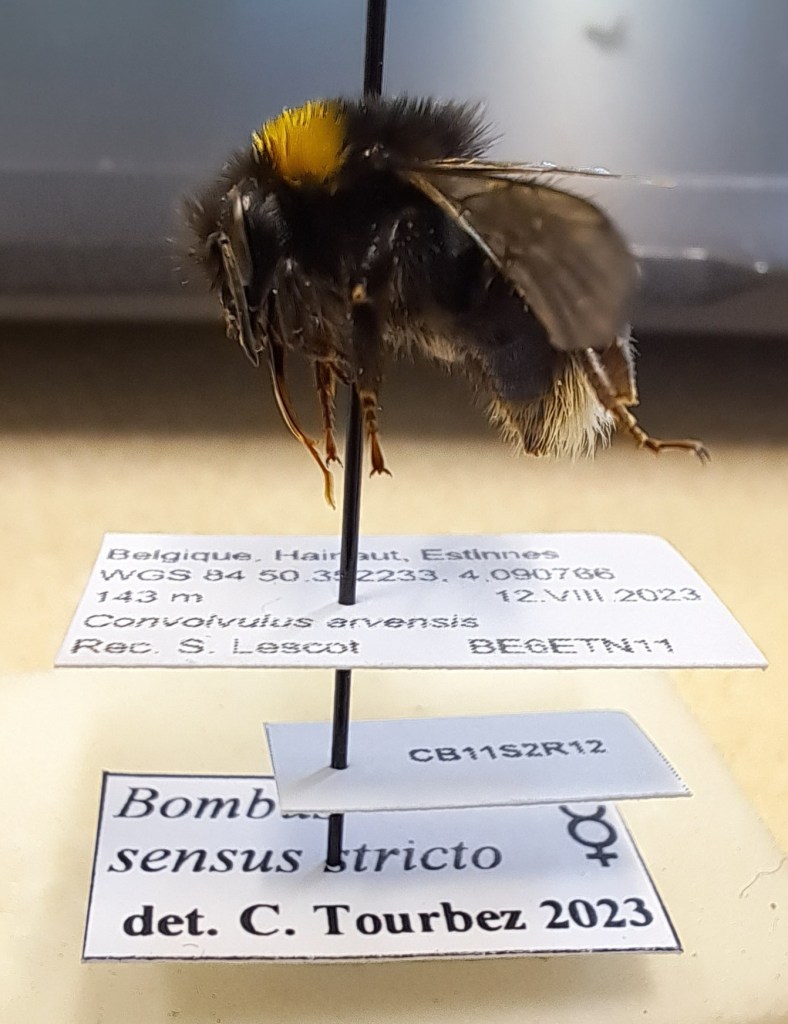
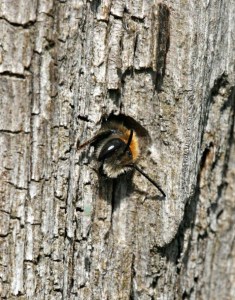
Work Program
The Work Program is divided into six main Work Packages:
WP 1: Developing a training programme for para-taxonomy of bees
Task 1.1. Development of the structure and content of the training programme
Task 1.2. Provision of specific training materials suitable for identifying specimens in the field and in the laboratory
WP 2: Organising the recruitment of suitable participants for the training courses
Task 2.1. Analyses of para-taxonomy impediment at regional level
Task 2.2. Selection of the trainees
WP 3: Implementation of the training programme
Task 3.1. Advanced training (9 sessions and train the trainer session)
Task 3.2. Intermediate (16 sessions) and basic (10 sessions) training sessions
Task 3.3. On-line events (70 sessions)
Task 3.4. Establishment of reference collections for trainees
WP 4: Development of a certification scheme for para-taxonomists
WP 5: Final conference
WP 6: Management
The work packages starting immediately from the beginning of the project are WP1, WP2, WP4 and WP6. During the first six months of the project, the tasks performed will be mostly organisational: creation of content, selection of trainees and trainers, organisation of the courses, definition of the certification scheme. The organisation will continue during the project (Figure 2), culminating in the end of the end of the project with the final conference (WP5) taking place in the last months of the project.
The implementation of the training sessions (WP3) will start from the second half of 2025 to August 2026. The Basic and Advanced courses will be organised in the second half of 2025 into January 2026. The intermediate courses will be organised during 2026, with the trainers being a mixture of established experts and the trainees of the Advanced courses the previous year.
Organisation
We will organise the training in a regional framework. We cluster countries according to similar regional faunas and similar current taxonomic capacities. The 27 Member States of the European Union have been grouped into 6 regions (Figure 1).
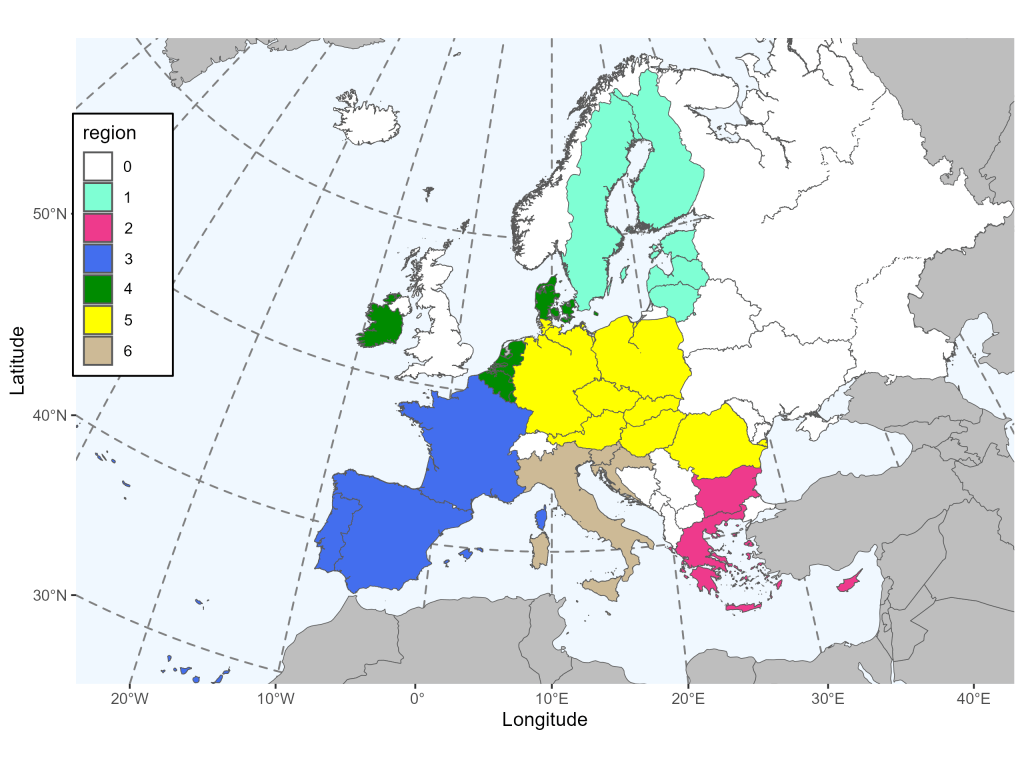
The countries included in each region are:
Region 1. Scandinavia/Baltic: Sweden, Lithuania, Latvia, Finland, Estonia.
Region 2. Eastern 2: Greece, Bulgaria, Cyprus.
Region 3. Atlantic/Mediterranean: Spain, France, Portugal.
Region 4. North/Central: Netherlands, Belgium, Denmark, Ireland, Luxembourg.
Region 5. Central: Germany, Czechia, Austria, Poland, Slovakia, Hungary, Romania.
Region 6. South/Central: Italy, Croatia, Malta, Slovenia.
Levels of training
To take account of the different levels of expertise, the project proposes a multi-level training program:
- Basic training : combines field and laboratory sessions to teach sampling techniques, specimen preparation, and introduce regional genera diversity
- Intermediate training : prepares trainees to identify all genera in their respective countries and 70% of species of their national fauna
- Advanced training : aims to form regional trainers by transferring knowledge from alpha-taxonomists
Supporting events and material for the courses
During the development of WP1, a strong effort will be made to create the content necessary to implement the courses (identification keys to species level, national species lists, PowerPoint presentations, self-study material, photo and video material, reference collections, etc). All the content created during the project will be hosted in the Pollinator Academy: https://pollinatoracademy.eu/ and will be available to the public. Alpha-taxonomists have been engaged to create novel identification keys covering current gaps in the European fauna.
 epic-pollinators.com